WHAT IS THE CAUSE OF DRY EYE SYNDROME?

The Aging Process: Often as we grow older, our eyes begin to produce fewer lubricating tears. Certain conditions associated with arthritis or autoimmune diseases such as Sjogren’s syndrome are known to dry out the eyes and mouth. People who suffer from arthritis are much more prone to have dry eye syndrome.

Contact Lenses: Contact lens wearers often experience eye discomfort due to Dry Eye Syndrome. This may lead to irritation, infection and increased protein deposits on their lenses. Research has shown that Dry Eye Syndrome is the leading cause of contact lens intolerance.

Environmental Conditions: Many environmental factors in our lives can cause Dry Eyes. Everything from bright sunny days, to wind, snow, low humidity, air pollution, high altitude, fans and air conditioners can intensify the condition.

Medications: The use of certain types of medications such as decongestants, antihistamines, oral contraceptives, pain relievers, beta-blockers or alcohol can all cause a decrease in tear production and secretion. Chemotherapy is known to also cause a decreased tear production. Prolonged use of eye drops can also aggravate dry eye conditions.

LASIK (Laser Correction Surgery): Following the LASIK procedure, patients often develop Dry Eye Syndrome. Many patients have benefited from temporary punctual occlusion following the LASIK procedure.

DRY EYE TREATMENT OPTIONS

Restasis is a prescription eyedrop that can actually reverse some of the damage that has caused your dry eyes. In comparison, artificial tears only attempt to help your symptoms. Restasis has been clinically shown to increase tear production that may be supressed by ocular inflammation.

To achieve maximum effect from this medication usually requires anywhere from 3-6 months of continued usage. You may notice some improvement in the first month, but for the full effect to be noticed usually takes longer. It also requires continual usage, because if you were to discontinue the medication, chances are your dry eye would return within 3-6 months.

Restasis cost is reimbursed by many prescription plans offered by major health insurers in the United States. Reimbursement amounts vary by plan. For specifics, contact your insurance provider.

For more information about Restasis, simply click on the above logo, and it will take you directly to the Restasis website. When you are through, simply click on your back arrow key to bring you back to our website. If you would like, we can send you a brochure about Restasis. Just click on the contact us link below and request a Restasis brochure. Please give us your name and address.

Artificial Tears: Patients with less severe symptoms of Dry Eye Syndrome may use artificial tears for short-term relief. Artificial tears do provide initial soothing. However, they can also increase the likelihood of infection by flushing away the natural tear film, which protects the eye. Remember, not all artificial tears are the same. Many of the generic tears have fairly strong preservatives, which can actually irritate your eyes and make the dryness worse over time.

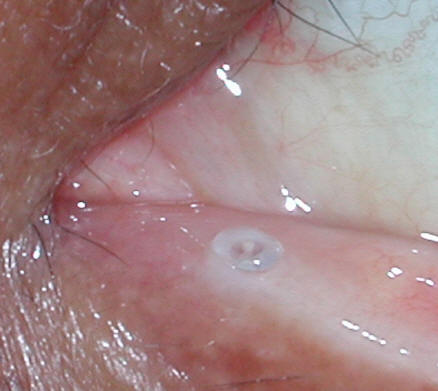
Punctal Occlusion: Patients with symptoms of Dry Eye may benefit from the occlusion of the tear ducts. There are two different types of punctal plugs available:

Collagen Punctal Plugs

-These are "temporary"; that is they dissolve over 4 to 7 days. This allows them to be useful for diagnostic and prognostic purposes. In other words, they may be used to preduct the likelihood of benefit of semi-permanent punctal plugs.

-There are also temporary plugs that can last up to 3 months. These can be helpful if a patient has a short term medical condition that has affected tear production.


-Both of these types of plugs can be inserted in a simple painless in-office procedure.

Silicone Semi-Permanent Punctal Plugs

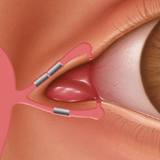
These are not permanent as the name seems to imply. They are inserted in our office in a simple procedure. They can be removed at any time. The way they work is very simple. Tiny plugs made from soft medical-grade material are inserted into the tear drainage ducts (punctum) where they block the tears from draining out of your eye. So even though your eye is producing fewer tears that it once did, you again can have sufficient tear film to protect and lubricate your eye.

The cost of Punctal plugs are covered by many insurance plans.

With all the choices now available, there is no reason to simply put up with the sometimes debilitating symptoms of dry eye syndrome. Call our office for an appointment, and we can evaluate the severity of your tear production and advise which would be the most beneficial treatment plan.


TELEPHONE
918-256-5543
800-840-2020
EMAIL:

contactus@fameyecare.com